Arushi Thapar
Public Health Researcher
M.A. Public Policy & Governance | B.A. History
based in Bangalore, India

Researcher
Institute of Public Health | Bangalore
Apr 2024 - Present
Qualitative Researcher
The Aangan Trust | Mumbai
December 2023
Program Fellow
The Antara Foundation | Chhindwara, MP
Jul 2022 - Oct 2023
Past Experience
Qualitative Researcher
The Aangan Trust | Mumbai
December 2023
- •Conducted in-depth interviews for the Compassionate Prison Program, a project aimed at establishing a dedicated help desk for undertrial prisoners with minor children at a District Prison in Mumbai, to better understand their childcare needs both within and outside the prison system.
Program Fellow
The Antara Foundation | Chhindwara, MP
Jul 2022 - Oct 2023
Intern
Institute of Public Health | Bangalore
Jan - Mar 2022
Education
Master of Arts
Public Policy and Governance
Azim Premji University
2020 - 2022
Bachelor of Arts
History
Sophia College for Women (Autonomous)
2017 - 2020
Short Courses
Phase 1 of Leadership in Mental Health Course
September to November 2025
Current Work
Researcher
Institute of Public Health | Bangalore
Apr 2024 - Present
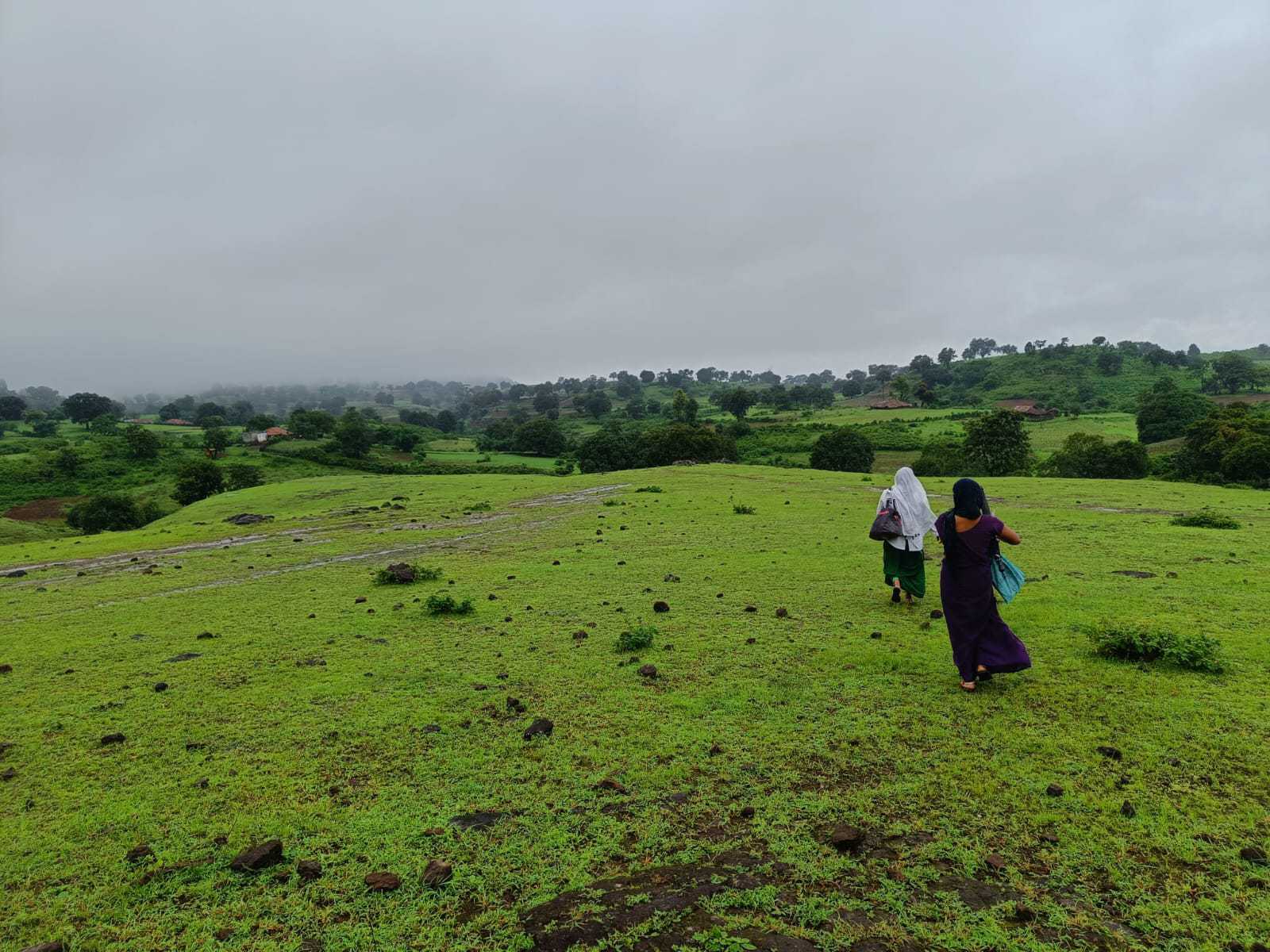
Applying the realist evaluation approach to assess the National Programme for Prevention and Control of NCDs and two community-based interventions being implemented with indigenous communities: an Ultimate Frisbee based intervention promoting mental health among youth named One All and Hosa Jeevana, a community-based alcohol de-addiction intervention.
Principal Investigator for a nested study on realist research communities of practice.
Teaching Associate for a blended learning certificate course on Theory-Driven and Realist Approaches in Health Policy and Systems Research, involved in curriculum design, development of learning activities, supporting course delivery and execution.
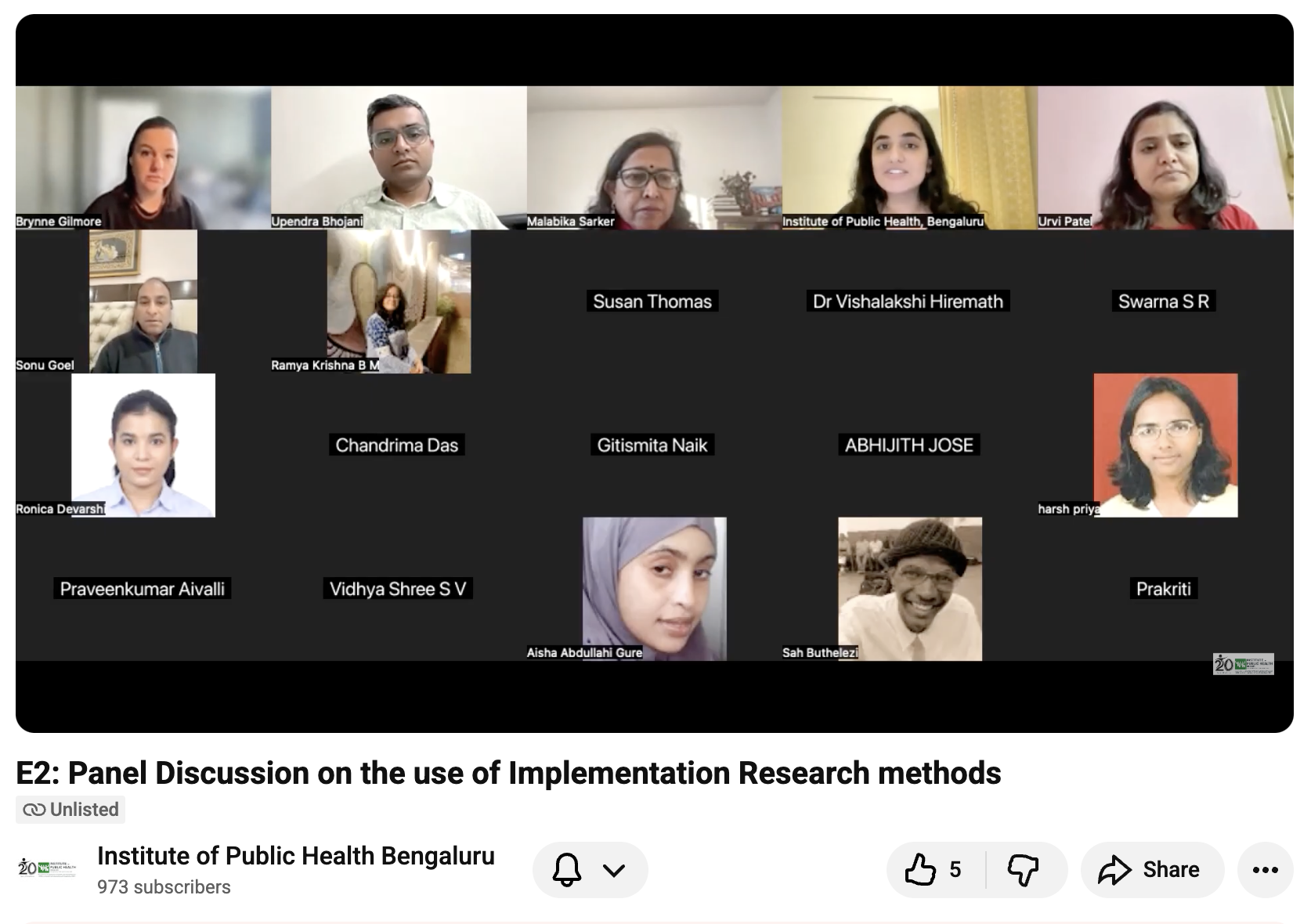
Conceptualise and organise webinars; undertake overall coordination for the development of an open-access handbook and self-paced online course on realist methods for early-career researchers in LMICs.
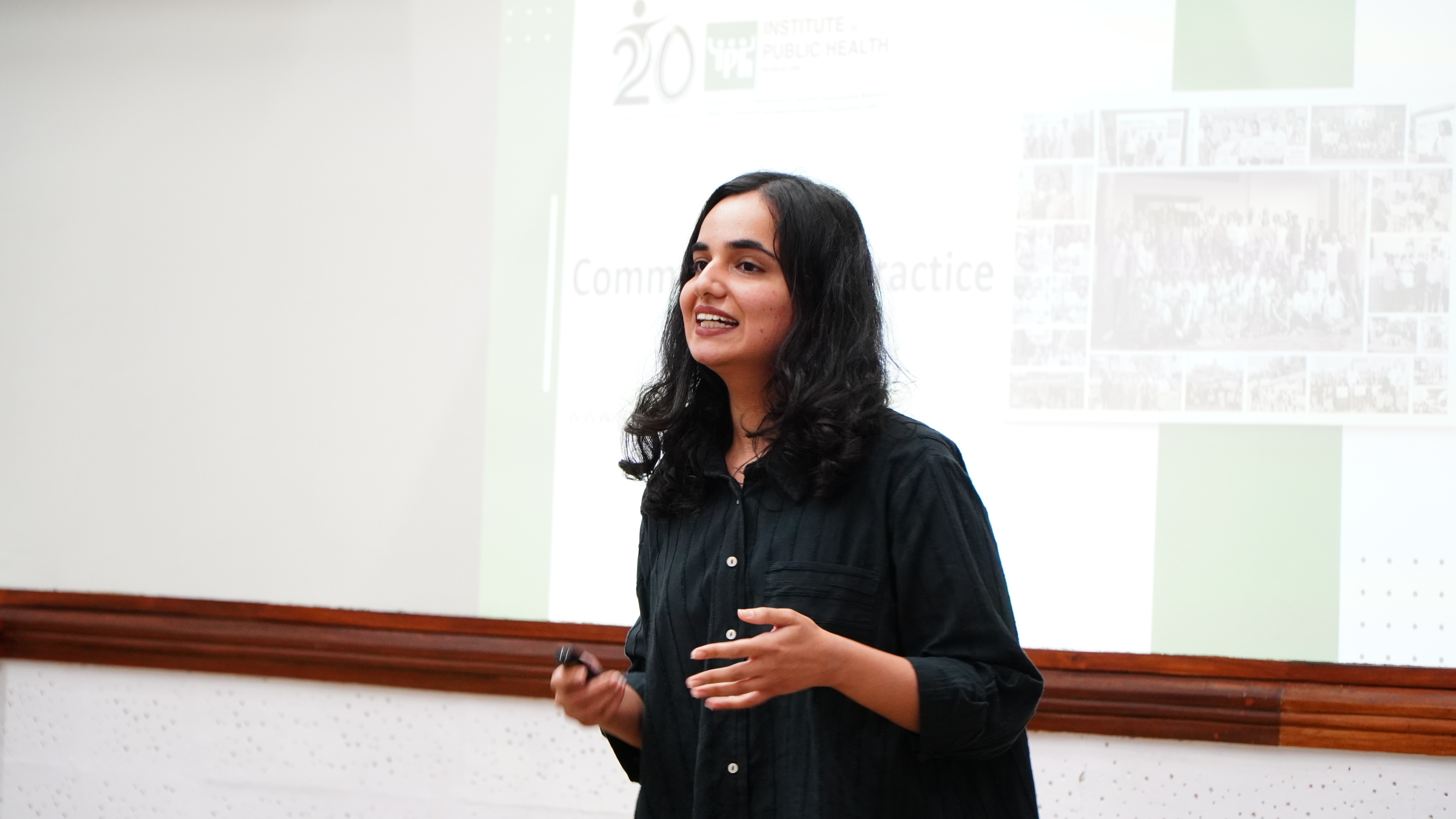
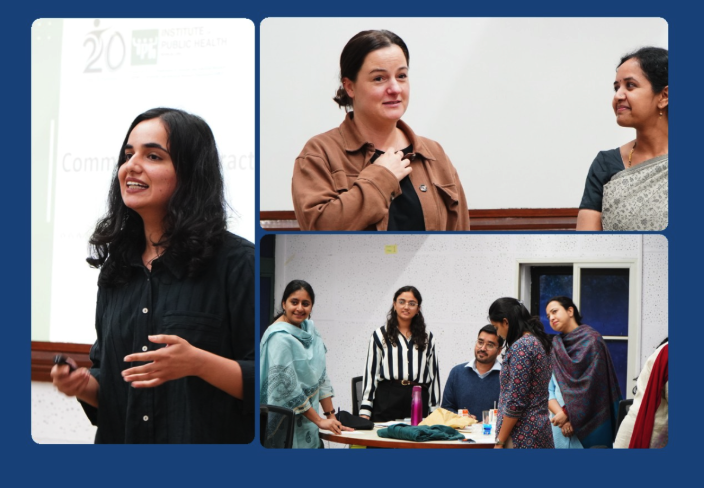
Organising and hosting national-level conferences like Bringing Evidence into Public Health Policy.
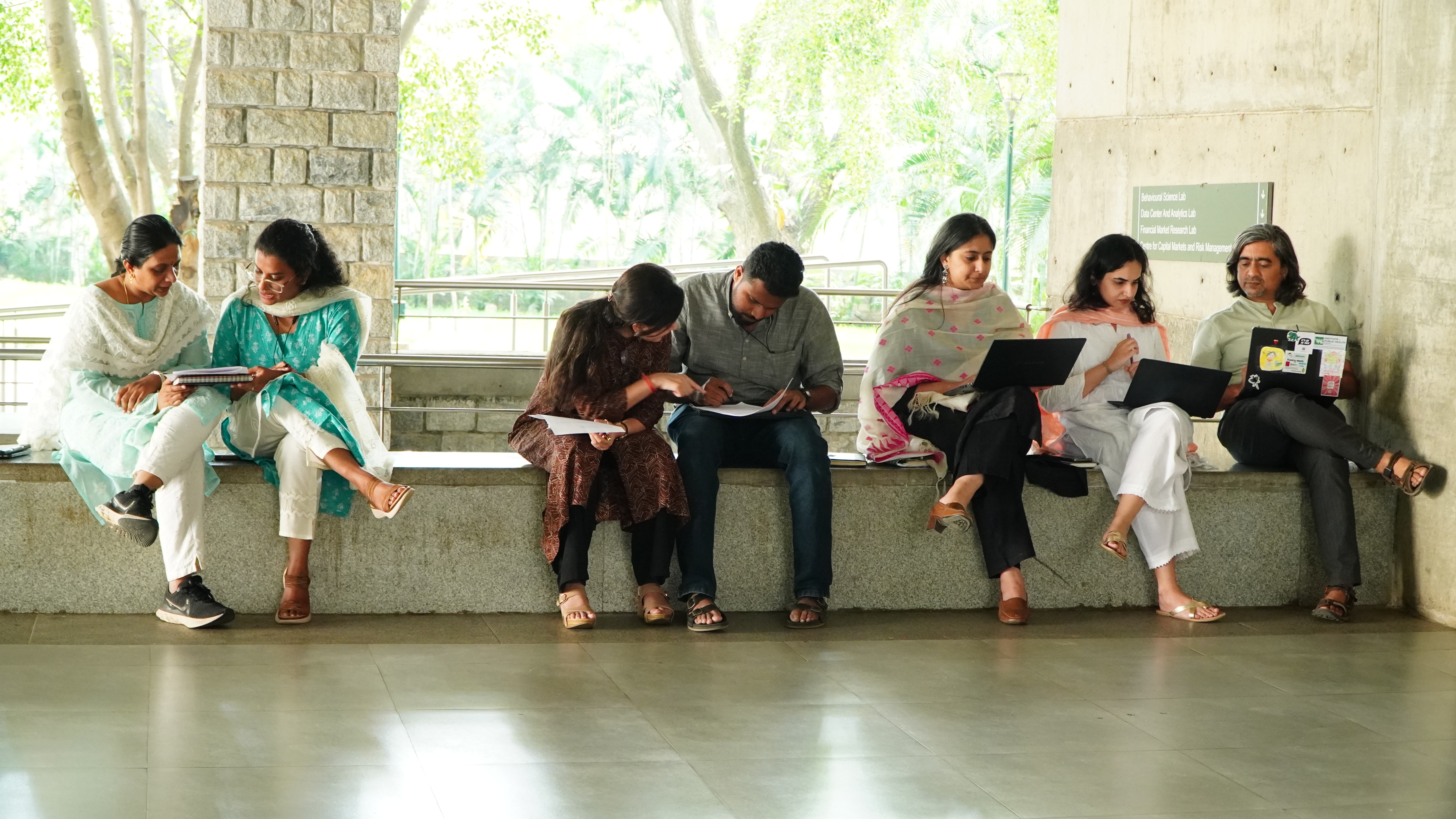
Co-curate the Indian Realist Learning Network, a Community of Practice for Realist researchers in India.
Initiated a realist research learning group for sharing methods-related literature, workshops, and webinars to support ongoing learning with PhD scholars and other researchers within the institute.
Research in Progress
Study Protocol
Hebbar P, Patel U, Thapar A, Chilgod L, Srinivas PN. Realist Evaluation Advancement Lab for Implementation Strategy Explanations (REALISE): Study Protocol.
Open Science Framework, 2026
Manuscripts Under Review
Nair D, Patel U, Thapar A, Chilgod L, Hebbar P. Community-based interventions on physical inactivity in non-communicable diseases: A scoping review.
Radhakrishnan S, Thapar A, Chilgod L, Hebbar P. A comparative document analysis of national policies on physical activity among South East Asian Region countries.
Manuscripts Under Preparation
Thapar A, Aivalli P, Patel U, Howe J, Arguelles Bullon A, Gilmore B, Hebbar P. Mapping communities of practice in realist research: functions, structures, inclusion and pathways to sustainability.
Thapar A, Patel U, Hebbar P, Alexander A, Srinivas PN. A Realist Evaluation of a Community-Based Alcohol De-addiction Intervention for Indigenous Communities in South India.
Patel U, Thapar A, Hebbar P, Varadharajan S, Srinivas PN. Eliciting the Initial Program Theory for a Community-Based Mental Health Intervention for Adivasi Youth in South India.
Hebbar P, Patel U, Thapar A, MS Navya, Srinivas PN. A Realist Evaluation of the National Program for Prevention and Control of Non-Communicable Diseases in India.
Lwin K, Joarder T, Suresh H, Saif KM, Thapar A, Gudi N, Shah K, Hebbar P. Exploring the Intersection of Implementation Research Frameworks and Complex Adaptive Systems Thinking in Health Interventions: A Systematic Scoping Review.
Patel U, Thapar A, Veparala A, Tauro C, Naik G, Shakeer I, Chilgod L, Shukla M, Sharma P, Mohanty S, Kadanakuppe S, Agavane V, Dsouza V, Srinivas PN, Gilmore B, Hebbar P. Application of Realist Methods in WHO South East Asia Region: A Scoping Review.
Awards
Received the Belgian Directorate-General for Development Cooperation (DGD) scholarship to attend a short course on Health Systems Strengthening at the Institute of Tropical Medicine, Antwerp, 2025-26
Recipient of the K.C. Mahindra Search for Talent Honours Award for securing the first rank in Phase I and II in the Excellence in Arts Program (EXAP) (Batch XXV, 2019-20)
Awarded the Freny Kaikobad Janglewalla Scholarship for the academic year 2018-2019
I am a public health researcher interested in advancing the use of participatory and theory driven methods in public health research. Methods shape how knowledge is generated, whose knowledge counts, and which stakeholders are seen as reliable narrators of their experiences. Health system outcomes vary based on a number of social indicators and are broadly driven by social inequity; such approaches can be useful to understand how the social world shapes the individual and in turn influences health outcomes.
EV4GH will help me build a network to collaborate with other researchers and practitioners from diverse backgrounds and contexts, especially in the Global South. Developing equity oriented South–South research partnerships is an important dimension of my interest in methodological development.
The capacity-building opportunities that EV4GH provides will help hone my skills in areas often neglected in academic programs, such as conveying research findings in creative ways and gaining exposure to public facing writing on global platforms. The peer learning component combined with mentorship from senior researchers and practitioners is transformative and opens doors to many platforms for sharing this knowledge with the broader research community.
This experience will be foundational, as I am currently conceptualising a doctoral research proposal for conducting a realist evaluation of a community-based mental health intervention using principles of participatory research. This work will help provide an enhanced understanding of how lived experience and peer support can help improve community-based interventions.
I hope to use the EV4GH platform to work with others in advancing the use of theory-driven, complexity-informed social science methods to interrogate pivotal questions facing the public health community. I want to contribute to efforts that meaningfully include communities in health research and promote more relational and non-extractive approaches. The EV4GH program offers an opportunity to be part of a diverse community that is committed to advancing principles of social justice and equity.
I have worked on implementing public health programs with communities and frontline health workers, and now primarily focus on evaluation research, especially in community-based interventions. I am particularly interested in using and developing the realist evaluation approach and its application in community based mental health interventions. I am especially keen to explore how this approach can become more participatory by placing communities at the centre of theory-building rather than positioning them as subjects of study.
Through this lens, I am interested in addressing the mental health and addictions treatment gap in LMICs. Despite a high burden of mental distress, access to care remains limited due to shortages of trained professionals, stigma and fragmented service delivery. To address this, the WHO recommends community-based models of providing care. Many such models leverage peer support that is provided by those with lived-experience as a key strategy for strengthening interventions. However, these approaches need to pay sufficient attention to local contexts, cultural meanings of distress, and existing informal systems of care.
This challenge aligns closely with the sub-theme of plurality and partnerships. Mental health care in LMICs spans formal health systems, community networks and traditional healers. Yet, health system reforms frequently privilege biomedical models. This disconnect can reinforce barriers to care-seeking, including stigma, geographic inaccessibility, and cultural misalignment, limiting the effectiveness and reach of mental health interventions.
I envision addressing this challenge by embedding participatory methods in realist evaluations, where communities can play a central role in identifying what "works" in their settings, why certain approaches succeed or fail, and how partnerships between diverse actors can be strengthened. A key part of this is listening to experts by experience and involving them in co-design in meaningful ways. Drawing on lived experience can help develop care models that are more relevant and grounded in context. This also means building the capacity of experts by experience and ensuring their inclusion from the very beginning. Such approaches are especially important for mental health and de-addiction interventions, where the insights of service users are critical in improving service delivery.
I want to contribute to the growing body of strengths-based research and practice in evidence-informed community care, focusing on participation and sovereignty of communities instead of deficit-based approaches. The realist approach supports this by questioning traditional hierarchies of what counts as evidence and allowing space for different forms of knowledge generation practices. I am also interested in contributing to field-building efforts that strengthen the use of complexity-informed approaches in evaluation. Through this work, I seek to provide an enhanced understanding of how lived experience and peer support can help improve practice and research in community-based interventions for mental health. I want to help bridge the gap between evaluation findings and action by supporting program redesign and shaping policy that supports decentralised community-based care for mental distress.